The Difference Between Mitigation and Restoration
When property damage happens, homeowners often hear the terms mitigation and restoration used together. While they are closely related, they actually refer to two different stages of the recovery process.
In simple terms, mitigation is about stopping the damage from getting worse, while restoration is about repairing and rebuilding what was damaged.
Understanding the difference can help homeowners know what to expect after water damage, mold, fire, or storm-related issues and, more importantly, know what kind of help they need.
At Orca Restoration, our focus is on helping property owners address the immediate effects of damage and prevent further problems. While Orca Restoration does not provide reconstruction or restoration repair services, we can help homeowners understand the mitigation process and assist with finding appropriate restoration professionals when repairs or rebuilding are needed.
What Is Mitigation?
Mitigation is the first response after property damage occurs. Its main goal is to stabilize the property and prevent the existing damage from getting worse.
Think of mitigation as emergency damage control.
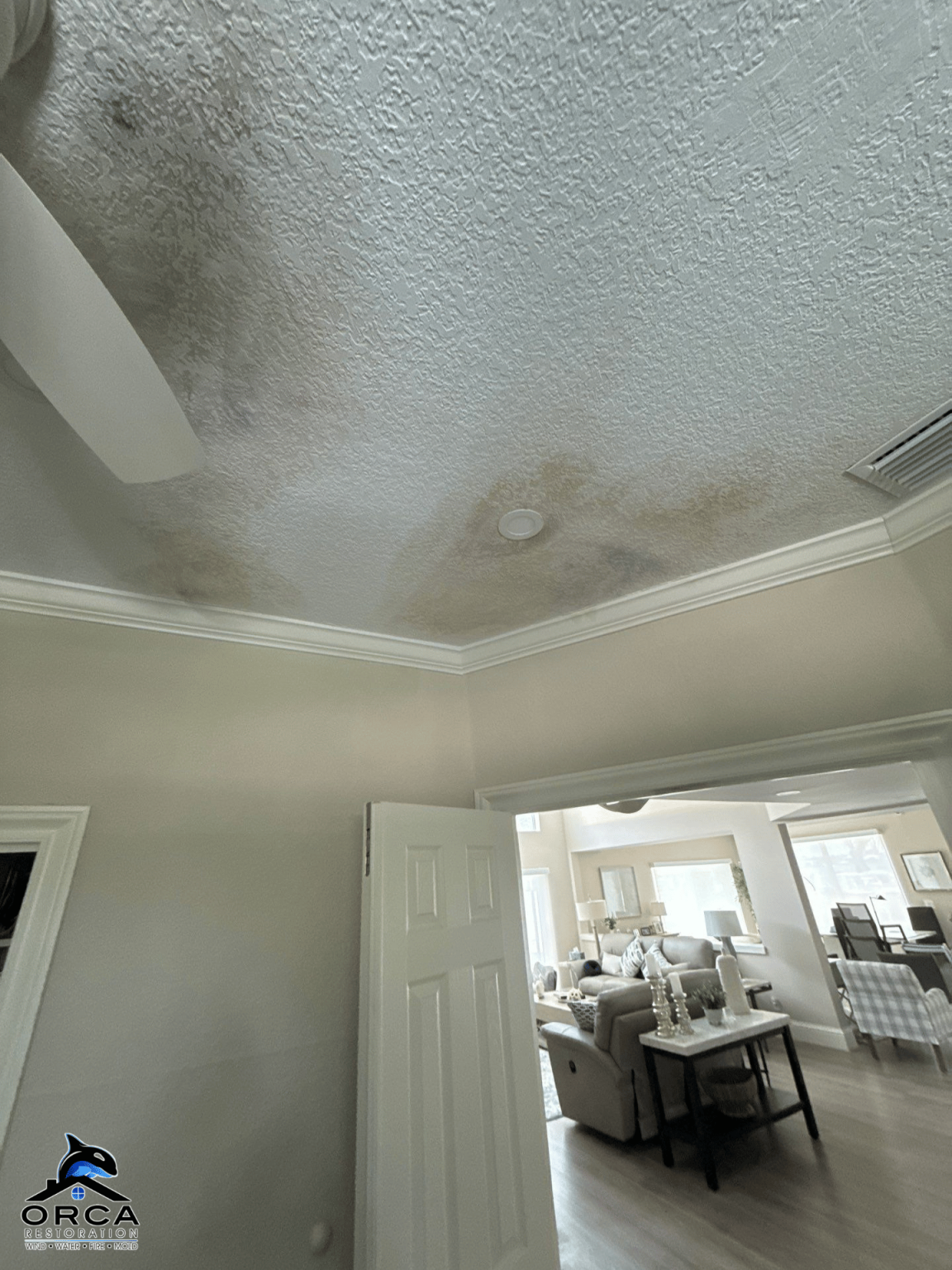
For example, if a pipe suddenly bursts in your home, water can quickly spread through floors, drywall, cabinets, and furniture. The longer the water remains, the greater the potential for additional damage. Mitigation may involve removing standing water, drying affected areas, and addressing moisture before it leads to mold or further deterioration.
The same applies to other types of damage. After a storm, for example, temporary measures may be needed to prevent additional water from entering through a damaged area. After a fire, smoke and soot may need to be addressed to prevent further damage to surfaces and belongings.
Common Mitigation Services
Mitigation may include:
- Emergency water extraction
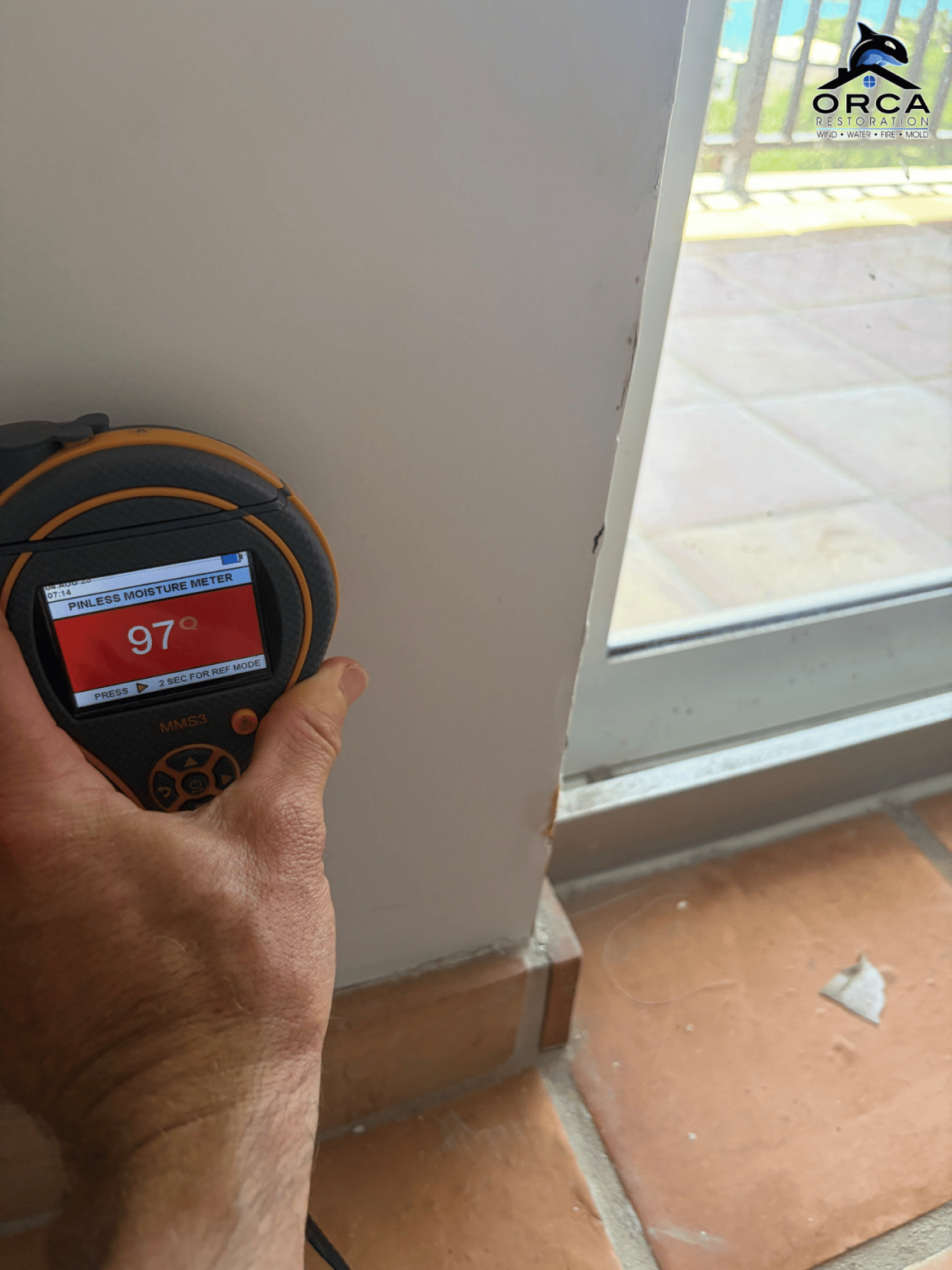
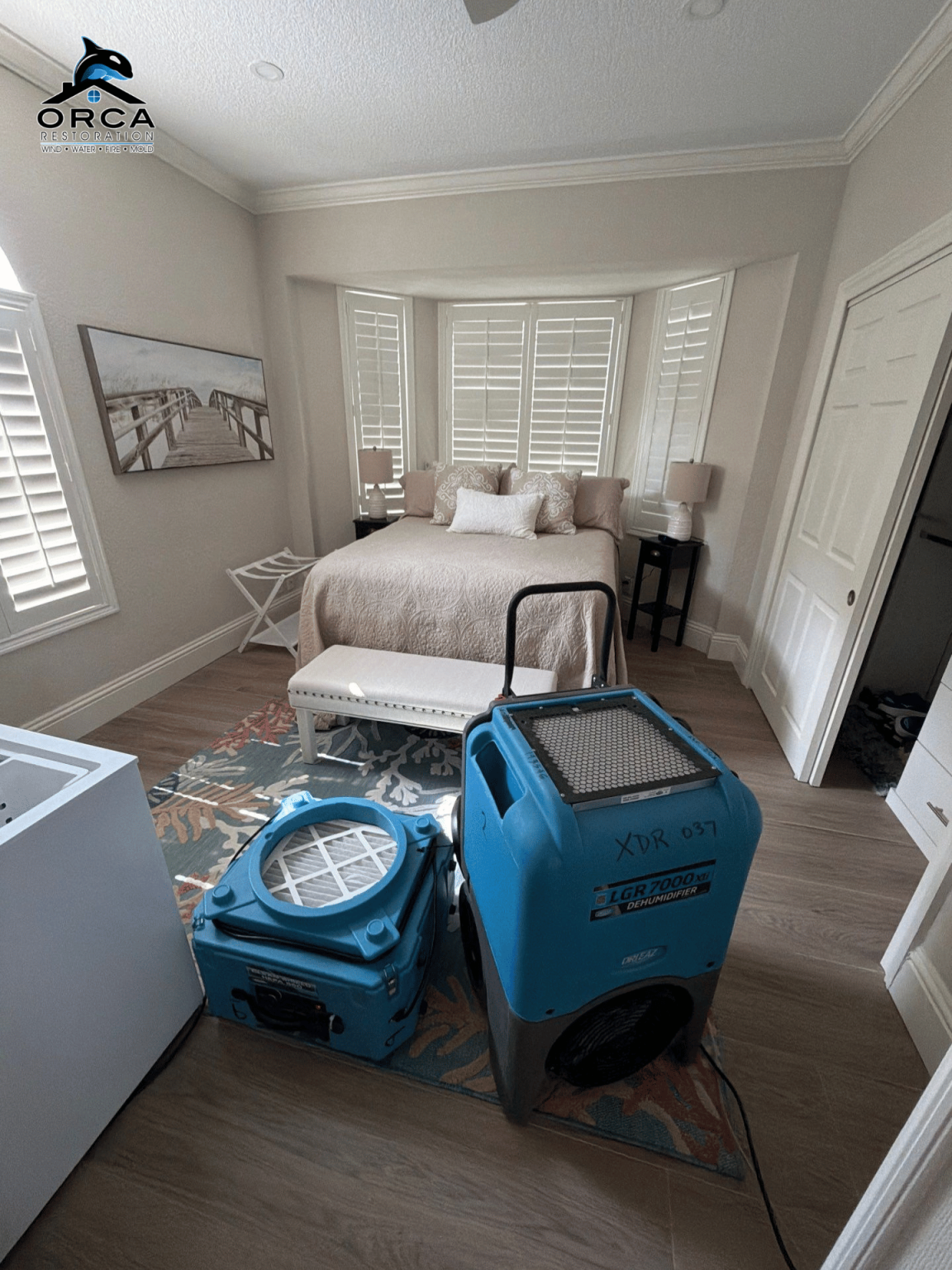
- Drying and dehumidification
- Moisture detection
- Removing water-damaged materials
- Mold containment and remediation
- Smoke and soot cleanup
- Sanitizing affected areas
- Temporary measures to prevent additional damage
The specific services needed will depend on the type and severity of the damage.
For South Florida homeowners dealing with water or mold issues, contacting Orca Restoration early can help address the immediate problem and reduce the risk of additional damage.
What Is Restoration?
Restoration takes place after the property has been stabilized and the immediate damage has been addressed. Unlike mitigation, restoration focuses on repairing, rebuilding, and replacing materials that were damaged or removed.
For example, if water damage requires damaged drywall to be removed during mitigation, restoration may involve installing new drywall, repainting the affected area, or replacing damaged flooring.
Common Restoration Services
Restoration work may include:
- Replacing drywall and insulation
- Installing new flooring
- Repainting walls and ceilings
- Rebuilding damaged sections of the property
- Repairing structural damage
- Replacing cabinets or fixtures
- Electrical and plumbing repairs
- Odor removal and finishing work
Depending on how severe the damage is, restoration can take anywhere from a few days to several weeks.
Does Orca Restoration Provide Restoration Services?
Despite the name, Orca Restoration does not provide reconstruction or restoration repair services.
Our role is focused on mitigation and addressing the immediate effects of property damage. Once the mitigation process is complete, homeowners may need a separate contractor or restoration professional to handle rebuilding and repairs.
If you’re unsure where to turn for the next phase of your project, Orca Restoration is willing to assist in finding restoration services or contractors that may be appropriate for your property’s needs.
The Easiest Way to Understand the Difference
A simple way to look at it is this:
- Mitigation prevents further damage
- Restoration repairs the existing damage
For example, imagine a home affected by a roof leak during a South Florida storm.
The mitigation process would involve:
- Stopping the leak
- Removing water
- Drying wet materials
- Preventing mold growth
The restoration process would involve:
- Repairing the ceiling
- Replacing damaged drywall
- Repainting the room
- Restoring the area back to normal
One step helps contain the problem, while the other focuses on rebuilding afterward.
In many cases, mitigation and restoration happen as part of one seamless process. Working with a company that can manage both phases helps simplify communication and ensures the project moves forward efficiently.
Why Acting Quickly Matters
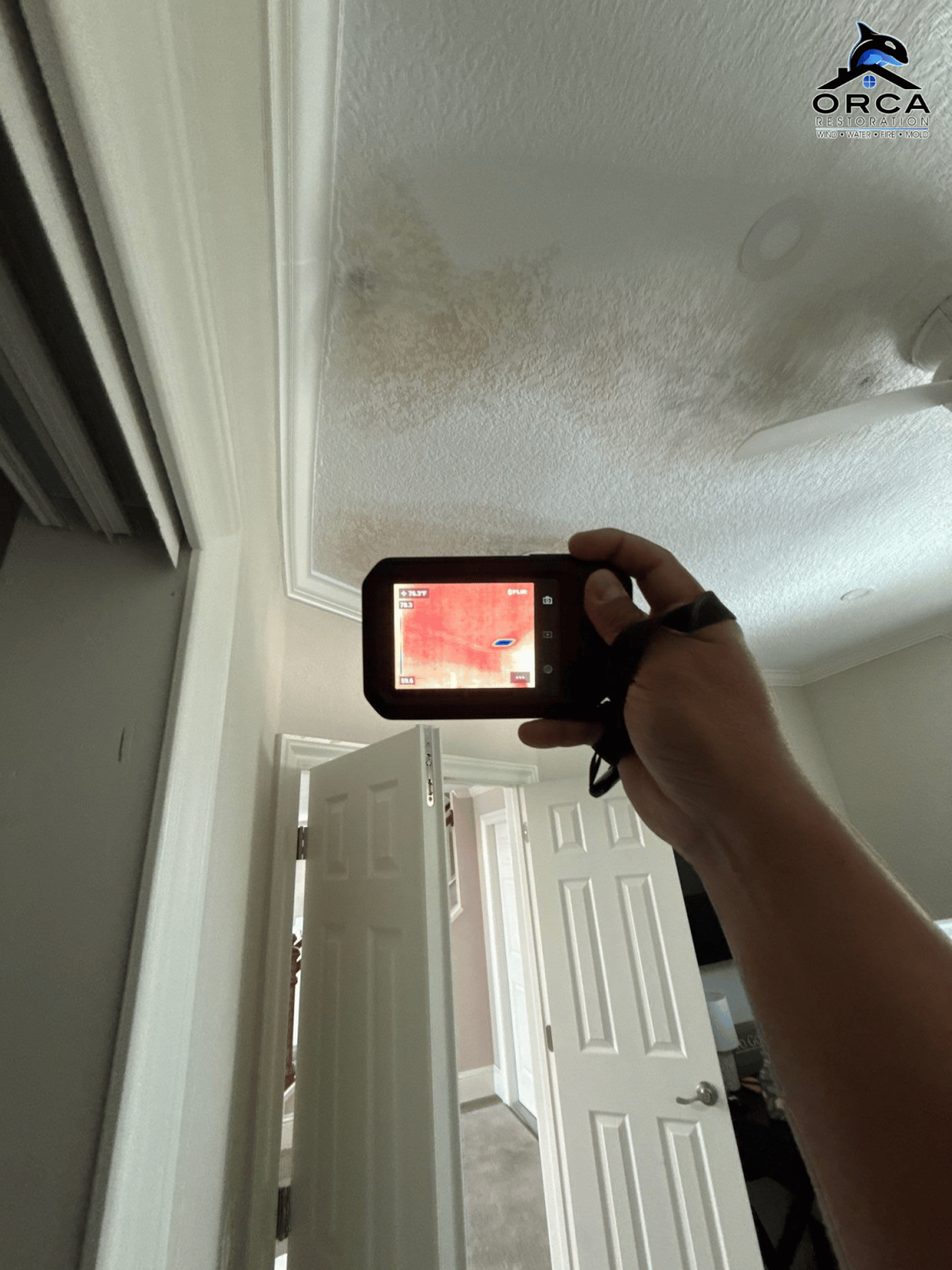
One of the biggest mistakes property owners can make is waiting too long to address damage. Water, moisture, smoke, and mold can continue causing problems even after the original incident has passed.
This is particularly important in South Florida, where warm temperatures and high humidity can create favorable conditions for mold growth. Water trapped behind walls, beneath flooring, or inside other materials can create problems that aren’t always visible right away.
Water damage can also:
- Warp wood flooring
- Damage drywall
- Affect electrical systems
- Weaken building materials
- Damage furniture and belongings
- Create conditions for mold growth
Getting mitigation started quickly can help limit the amount of damage and may reduce the extent of repairs needed later.
Why Restoration Is Still Important
Completing the mitigation process does not necessarily mean the property is fully repaired.
Once the affected areas have been cleaned and dried, there may still be damaged materials that need to be replaced. A wall may need new drywall, a damaged floor may need to be replaced, or other areas of the property may require reconstruction.
This is where restoration and repair professionals come in.
Because Orca Restoration does not perform reconstruction or restoration repairs, homeowners should plan to work with an appropriate contractor for this part of the process. If you need help identifying restoration services after mitigation, Orca Restoration can assist in finding a suitable provider.
Insurance and the Recovery Process
Insurance companies typically separate mitigation and restoration into different parts of a claim.
Mitigation is considered emergency work that helps prevent additional loss. Restoration covers the repairs needed to return the property to its previous condition.
This is why documentation is important from the very beginning. Photos, videos, receipts, and inspection reports can help support both phases of the claim process.
Many restoration companies, including Orca Restoration, can assist homeowners with documentation by providing moisture readings, photos, and detailed reports that may support the insurance claims process.
Final Thoughts
Mitigation and restoration are two separate but connected parts of recovering from property damage. Mitigation focuses on stopping further damage and stabilizing the property, while restoration focuses on repairing and rebuilding what was affected.
For South Florida homeowners, acting quickly can be especially important because heat, humidity, storms, and heavy rainfall can make moisture-related problems worse.
At Orca Restoration, our focus is on helping property owners address damage during the mitigation stage. While we do not provide restoration or reconstruction services, we are happy to help homeowners understand the next steps and assist in finding restoration services when repairs or rebuilding are needed.
Knowing who to call at each stage can make an overwhelming situation a little easier to manage—and getting the right help early can go a long way toward protecting your property.