What To Do Immediately After Water Damage in South Florida
Water damage can happen when you least expect it, and for many South Florida homeowners, it’s an issue they’ll face at some point. Between hurricane season, heavy rain, coastal flooding, high humidity, aging plumbing systems, and sudden appliance leaks, it doesn’t take much for water to quickly spread throughout a property. What may seem like a small leak at first can rapidly turn into a much larger problem if it isn’t addressed right away.
One of the biggest challenges with water damage in South Florida is the climate itself. Moisture can soak into walls, flooring, and other materials within minutes, and the region’s warm, humid conditions create the perfect environment for mold growth—sometimes within just 24 to 48 hours after water exposure. Acting quickly is critical not only to protect your property and belongings, but also to help prevent long-term issues like mold, structural damage, and costly repairs.
At Orca Restoration, we understand how overwhelming water emergencies can feel. Knowing what steps to take immediately after water damage can make a major difference in minimizing damage and helping the recovery process go more smoothly.
1. Ensure Everyone’s Safety First
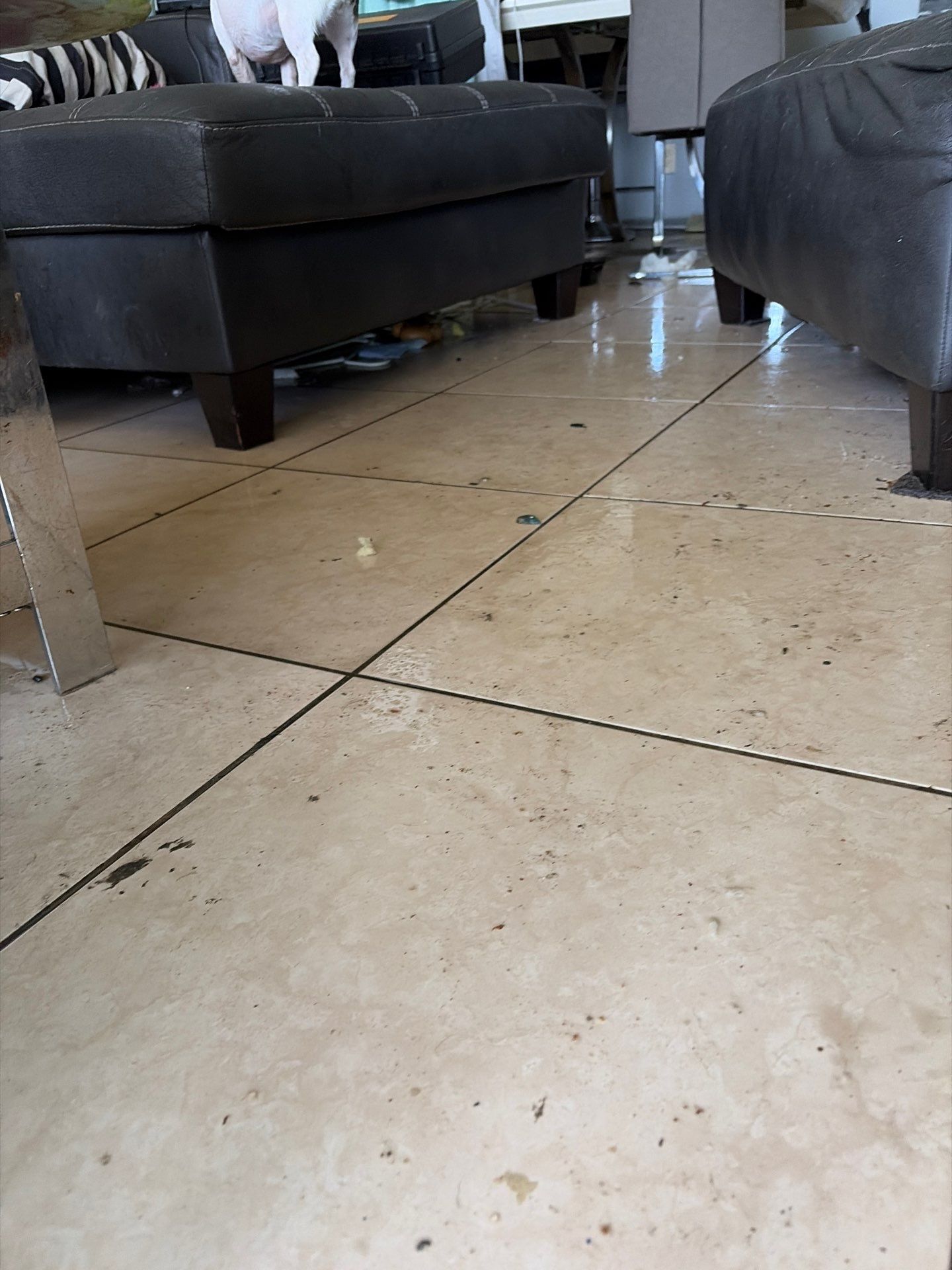
Before addressing the damage, make safety the top priority. Water intrusion can create hidden dangers inside the property.
Important safety precautions include:
- Avoid walking through standing water if electricity may still be active.
- Shut off power to affected areas if it is safe to do so.
- Watch for sagging ceilings, warped flooring, or weakened walls.
- Wear gloves, boots, and protective clothing when handling contaminated water.
- Keep children and pets away from flooded areas.
In South Florida, flooding caused by hurricanes or storm surge may contain contaminants such as sewage, chemicals, bacteria, or debris. Floodwater should always be treated as potentially hazardous.
2. Stop the Source of the Water
The next step is preventing additional water from entering the property. The longer water continues to leak or spread, the worse the damage becomes.
Common causes of water damage in South Florida include:
- Hurricane and tropical storm flooding
- Roof leaks caused by strong winds
- Burst or corroded pipes
- Air conditioning leaks
- Overflowing appliances or plumbing fixtures
- Poor drainage and clogged gutters
- Slab leaks and foundation issues
If the issue is plumbing-related, shut off the home’s main water supply immediately. If storm damage is involved, try to safely contain the affected area until repairs can begin. In situations where the source of the leak isn’t obvious, professional restoration companies like Orca Restoration can help identify hidden water intrusion before it causes more serious structural damage
3. Document the Damage Immediately
One of the most overlooked but important steps is documenting the damage thoroughly. Clear documentation can help during insurance claims and future repair assessments.
Take photos and videos of:
- Standing water
- Damaged walls, ceilings, and flooring
- Wet furniture and belongings
- Appliance leaks or plumbing failures
- Exterior storm damage
- Visible mold growth or discoloration
Try to document the damage before major cleanup begins. Keep receipts for emergency repairs, hotel stays, temporary housing, or restoration services if applicable.
4. Remove Standing Water as Quickly as Possible
The longer water remains inside the property, the more severe the damage can become. Moisture quickly penetrates drywall, insulation, wood, carpeting, and subflooring.
If safe, begin removing excess water by:
- Using mops and towels
- Utilizing wet/dry vacuums designed for water extraction
- Opening windows when outdoor humidity levels allow
- Running fans and dehumidifiers
- Lifting wet rugs and carpets
However, South Florida’s naturally high humidity can slow down the drying process significantly. During rainy or humid conditions, opening windows may sometimes worsen indoor moisture levels instead of helping.
5. Understand the Different Categories of Water Damage
Not all water damage is the same. The type of water involved affects both cleanup procedures and health risks.
Clean Water
Comes from sources such as broken supply lines, sink overflows, or appliance leaks. This type poses the lowest immediate health risk if addressed quickly.
Gray Water
Contains some contaminants and may come from washing machines, dishwashers, or sump pump failures. Gray water can cause illness if not handled properly.
Black Water
Black water is the most dangerous category and should always be handled by professionals. It can contain sewage, bacteria, chemicals, and harmful toxins. This type of contamination is common after hurricanes, severe flooding, and storm surge events in South Florida.
If your property has been affected by black water, it’s important to contact a professional restoration company like Orca Restoration immediately. Contaminated water can pose serious health risks and requires specialized cleanup equipment, protective gear, and sanitization procedures.
6. Prevent Mold Growth Early
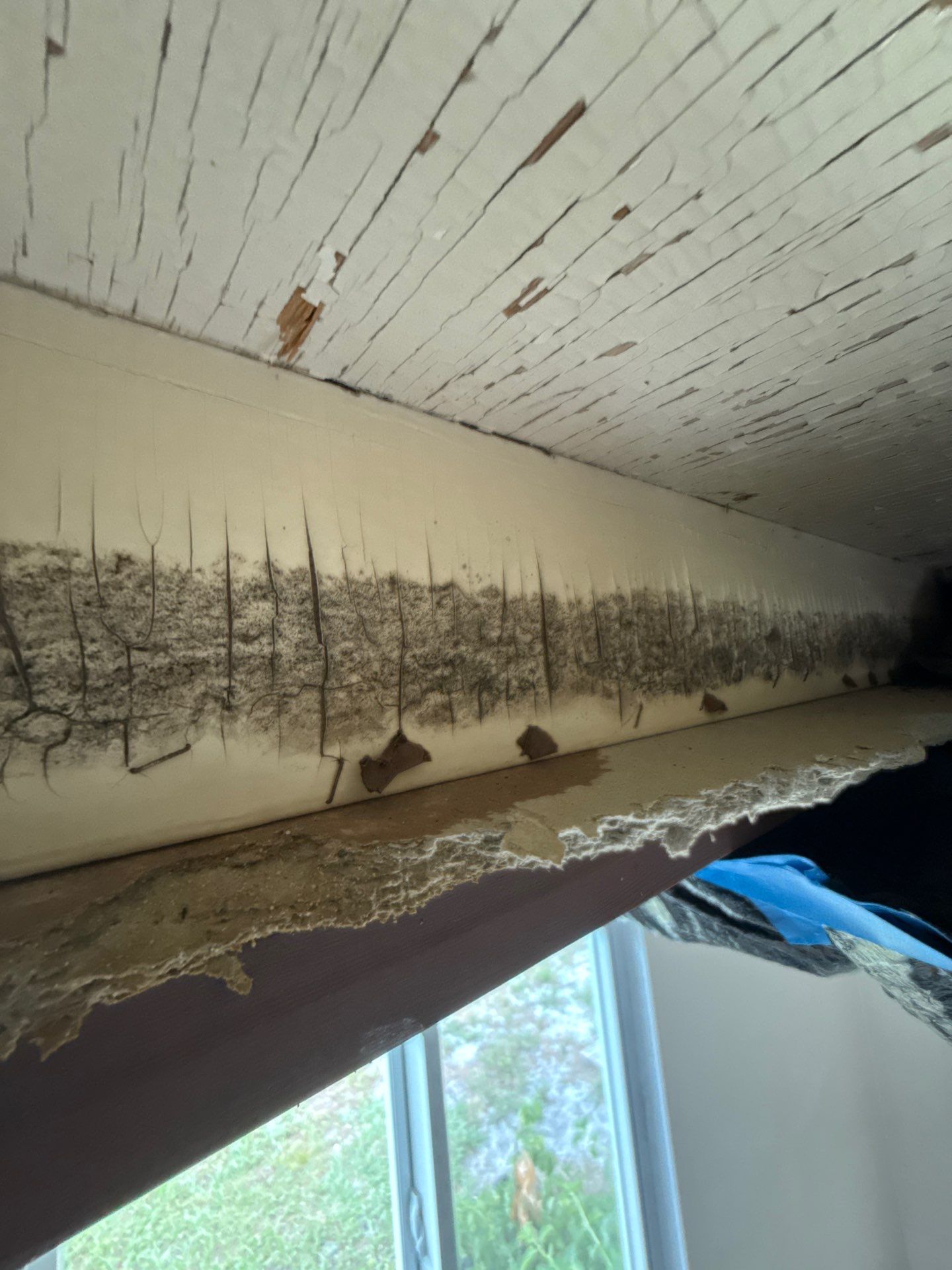
South Florida’s warm and humid environment creates the perfect conditions for mold growth after water damage. Even a small amount of trapped moisture behind walls or under flooring can eventually turn into a larger mold problem.
Common signs of mold include:
- Musty odors
- Dark spots on walls or ceilings
- Peeling paint
- Allergy-like symptoms
- Warped flooring or drywall
Many homeowners underestimate how fast mold spreads in humid climates. Once mold develops, cleanup becomes more expensive and much more complicated. Professional drying and moisture detection services from companies like Orca Restoration can help identify hidden damp areas early before mold has a chance to spread further.
7. Pay Attention to Hidden Moisture
Visible water is only part of the issue. Moisture can easily spread behind walls, beneath flooring, inside insulation, and even through HVAC systems.
Hidden moisture may lead to:
- Wood rot
- Structural damage
- Electrical issues
- Persistent odors
- Long-term mold growth
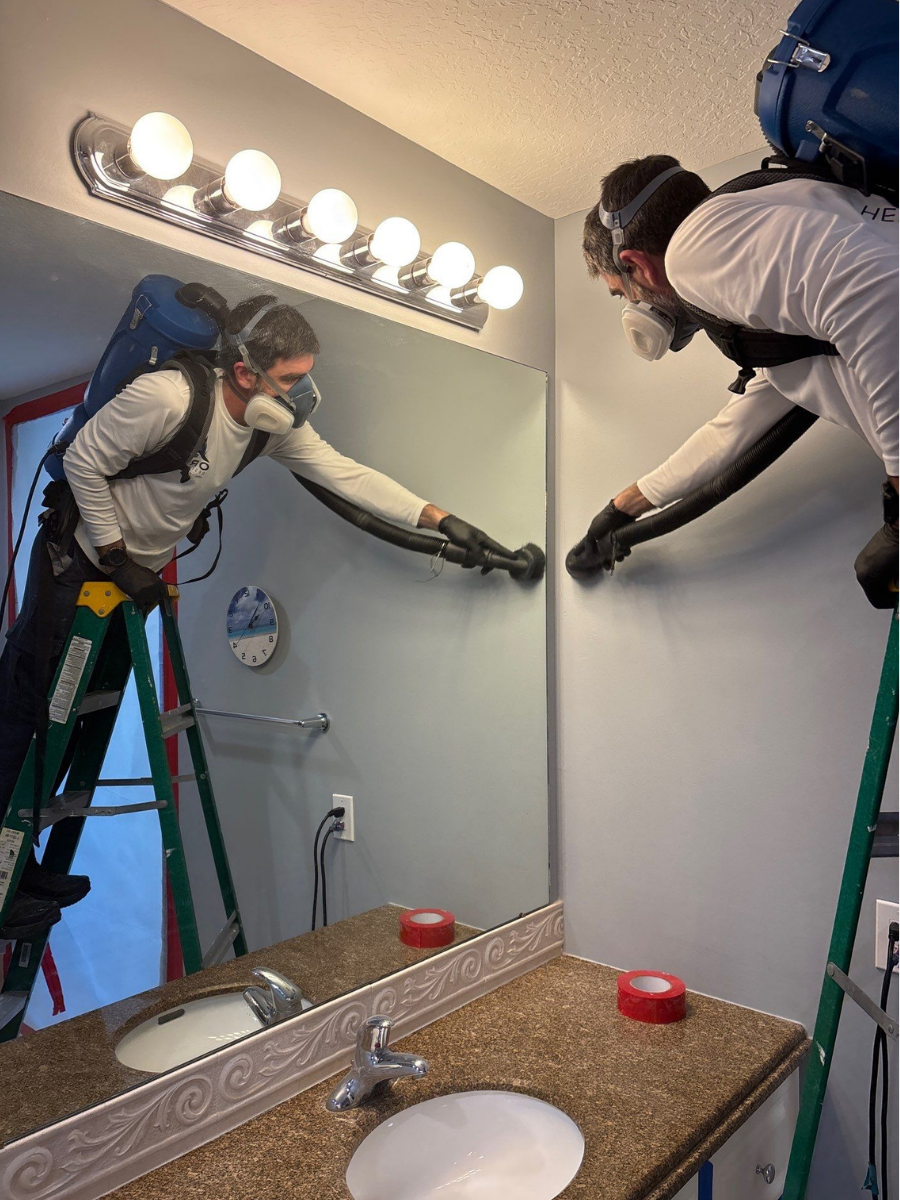
This is why professional restoration companies use specialized equipment like thermal imaging cameras, moisture meters, industrial air movers, and commercial dehumidifiers to fully dry affected areas. Teams like Orca Restoration are trained to locate hidden moisture that homeowners may not be able to detect on their own.
8. Know the Risks During Hurricane Season
South Florida homeowners face additional water damage risks during hurricane season, which officially runs from June through November.
Heavy storms can cause:
- Roof damage from high winds
- Flash flooding
- Storm surge intrusion
- Window leaks
- Overflowing canals and drainage systems
- Foundation seepage
Preparing in advance can help reduce potential damage. Property owners should regularly inspect roofs, clean gutters, check seals around windows and doors, and ensure proper drainage around the home.
9. Don’t Delay Professional Inspection and Drying
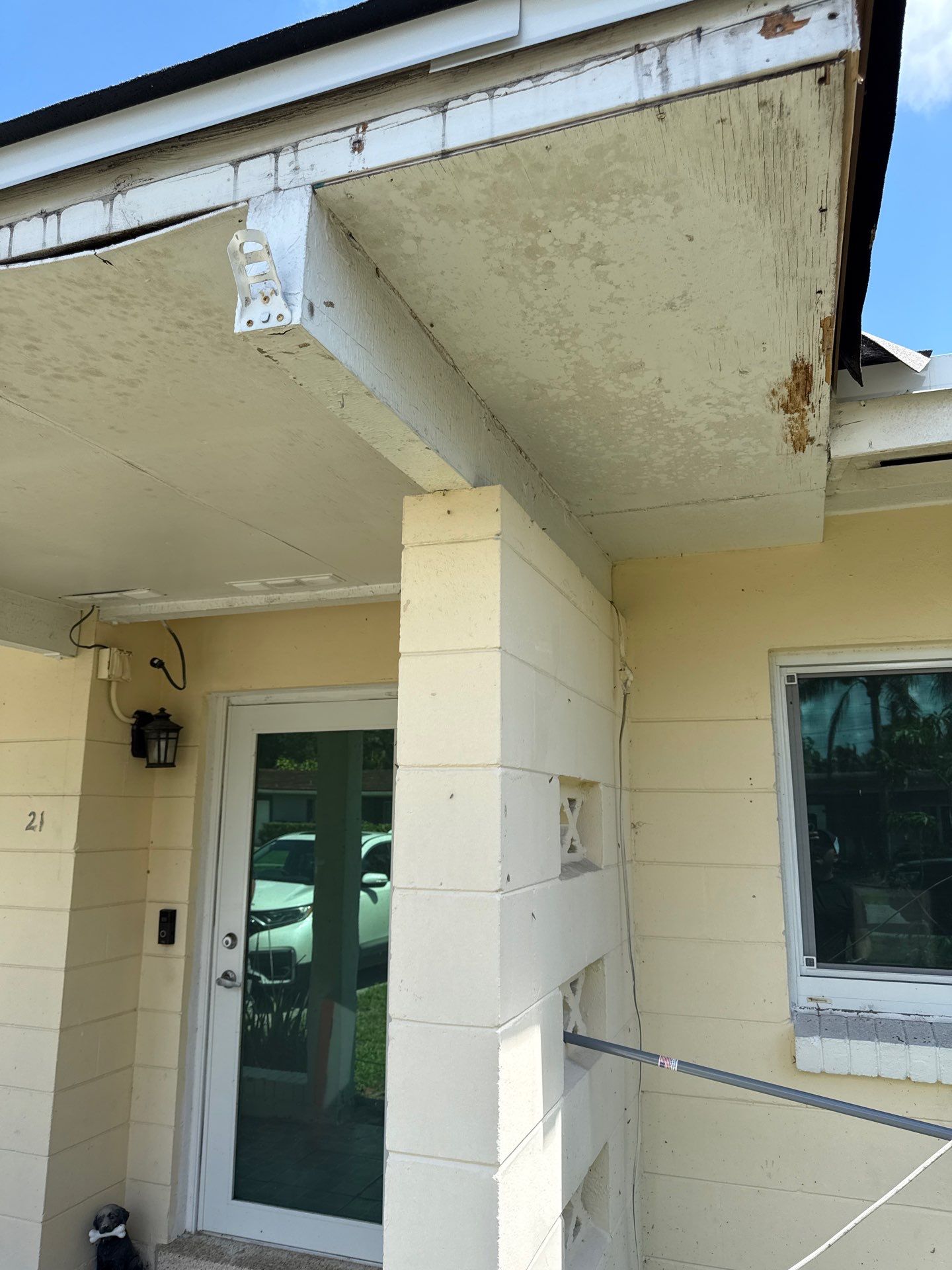
Some water damage may appear minor at first but can become much worse over time. Even if surfaces seem dry, moisture can remain trapped inside materials for days or weeks.
Professional restoration teams use:
- Moisture meters
- Industrial air movers
- Commercial dehumidifiers
- Thermal imaging equipment
- Antimicrobial treatments
Early intervention often helps homeowners save money in the long run by reducing the extent of repairs needed later. Orca Restoration uses professional-grade equipment and proven restoration methods to help properties recover safely and efficiently after water damage.
Final Thoughts
Water damage can escalate quickly, especially in South Florida’s humid and storm-prone environment. Taking immediate action after water intrusion is critical for protecting your property, reducing health risks, and preventing long-term structural issues.
By prioritizing safety, stopping the water source, documenting the damage, removing moisture quickly, and addressing hidden water problems early, property owners can significantly improve the recovery process after a water damage event.
What To Do Immediately After Water Damage in South Florida
Water damage can happen when you least expect it, and for many South Florida homeowners, it’s an issue they’ll face at some point. Between hurricane season, heavy rain, coastal flooding, high humidity, aging plumbing systems, and sudden appliance leaks, it doesn’t take much for water to quickly spread throughout a property. What may seem like a small leak at first can rapidly turn into a much larger problem if it isn’t addressed right away.
One of the biggest challenges with water damage in South Florida is the climate itself. Moisture can soak into walls, flooring, and other materials within minutes, and the region’s warm, humid conditions create the perfect environment for mold growth—sometimes within just 24 to 48 hours after water exposure. Acting quickly is critical not only to protect your property and belongings, but also to help prevent long-term issues like mold, structural damage, and costly repairs.
At Orca Restoration, we understand how overwhelming water emergencies can feel. Knowing what steps to take immediately after water damage can make a major difference in minimizing damage and helping the recovery process go more smoothly.
1. Ensure Everyone’s Safety First
Before addressing the damage, make safety the top priority. Water intrusion can create hidden dangers inside the property.
Important safety precautions include:
- Avoid walking through standing water if electricity may still be active.
- Shut off power to affected areas if it is safe to do so.
- Watch for sagging ceilings, warped flooring, or weakened walls.
- Wear gloves, boots, and protective clothing when handling contaminated water.
- Keep children and pets away from flooded areas.
In South Florida, flooding caused by hurricanes or storm surge may contain contaminants such as sewage, chemicals, bacteria, or debris. Floodwater should always be treated as potentially hazardous.
2. Stop the Source of the Water
The next step is preventing additional water from entering the property. The longer water continues to leak or spread, the worse the damage becomes.
Common causes of water damage in South Florida include:
- Hurricane and tropical storm flooding
- Roof leaks caused by strong winds
- Burst or corroded pipes
- Air conditioning leaks
- Overflowing appliances or plumbing fixtures
- Poor drainage and clogged gutters
- Slab leaks and foundation issues
If the issue is plumbing-related, shut off the home’s main water supply immediately. If storm damage is involved, try to safely contain the affected area until repairs can begin. In situations where the source of the leak isn’t obvious, professional restoration companies like Orca Restoration can help identify hidden water intrusion before it causes more serious structural damage
3. Document the Damage Immediately
One of the most overlooked but important steps is documenting the damage thoroughly. Clear documentation can help during insurance claims and future repair assessments.
Take photos and videos of:
- Standing water
- Damaged walls, ceilings, and flooring
- Wet furniture and belongings
- Appliance leaks or plumbing failures
- Exterior storm damage
- Visible mold growth or discoloration
Try to document the damage before major cleanup begins. Keep receipts for emergency repairs, hotel stays, temporary housing, or restoration services if applicable.
4. Remove Standing Water as Quickly as Possible
The longer water remains inside the property, the more severe the damage can become. Moisture quickly penetrates drywall, insulation, wood, carpeting, and subflooring.
If safe, begin removing excess water by:
- Using mops and towels
- Utilizing wet/dry vacuums designed for water extraction
- Opening windows when outdoor humidity levels allow
- Running fans and dehumidifiers
- Lifting wet rugs and carpets
However, South Florida’s naturally high humidity can slow down the drying process significantly. During rainy or humid conditions, opening windows may sometimes worsen indoor moisture levels instead of helping.
5. Understand the Different Categories of Water Damage
Not all water damage is the same. The type of water involved affects both cleanup procedures and health risks.
Clean Water
Comes from sources such as broken supply lines, sink overflows, or appliance leaks. This type poses the lowest immediate health risk if addressed quickly.
Gray Water
Contains some contaminants and may come from washing machines, dishwashers, or sump pump failures. Gray water can cause illness if not handled properly.
Black Water
Black water is the most dangerous category and should always be handled by professionals. It can contain sewage, bacteria, chemicals, and harmful toxins. This type of contamination is common after hurricanes, severe flooding, and storm surge events in South Florida.
If your property has been affected by black water, it’s important to contact a professional restoration company like Orca Restoration immediately. Contaminated water can pose serious health risks and requires specialized cleanup equipment, protective gear, and sanitization procedures.
6. Prevent Mold Growth Early
South Florida’s warm and humid environment creates the perfect conditions for mold growth after water damage. Even a small amount of trapped moisture behind walls or under flooring can eventually turn into a larger mold problem.
Common signs of mold include:
- Musty odors
- Dark spots on walls or ceilings
- Peeling paint
- Allergy-like symptoms
- Warped flooring or drywall
Many homeowners underestimate how fast mold spreads in humid climates. Once mold develops, cleanup becomes more expensive and much more complicated. Professional drying and moisture detection services from companies like Orca Restoration can help identify hidden damp areas early before mold has a chance to spread further.
7. Pay Attention to Hidden Moisture
Visible water is only part of the issue. Moisture can easily spread behind walls, beneath flooring, inside insulation, and even through HVAC systems.
Hidden moisture may lead to:
- Wood rot
- Structural damage
- Electrical issues
- Persistent odors
- Long-term mold growth
This is why professional restoration companies use specialized equipment like thermal imaging cameras, moisture meters, industrial air movers, and commercial dehumidifiers to fully dry affected areas. Teams like Orca Restoration are trained to locate hidden moisture that homeowners may not be able to detect on their own.
8. Know the Risks During Hurricane Season
South Florida homeowners face additional water damage risks during hurricane season, which officially runs from June through November.
Heavy storms can cause:
- Roof damage from high winds
- Flash flooding
- Storm surge intrusion
- Window leaks
- Overflowing canals and drainage systems
- Foundation seepage
Preparing in advance can help reduce potential damage. Property owners should regularly inspect roofs, clean gutters, check seals around windows and doors, and ensure proper drainage around the home.
9. Don’t Delay Professional Inspection and Drying
Some water damage may appear minor at first but can become much worse over time. Even if surfaces seem dry, moisture can remain trapped inside materials for days or weeks.
Professional restoration teams use:
- Moisture meters
- Industrial air movers
- Commercial dehumidifiers
- Thermal imaging equipment
- Antimicrobial treatments
Early intervention often helps homeowners save money in the long run by reducing the extent of repairs needed later. Orca Restoration uses professional-grade equipment and proven restoration methods to help properties recover safely and efficiently after water damage.
Final Thoughts
Water damage can escalate quickly, especially in South Florida’s humid and storm-prone environment. Taking immediate action after water intrusion is critical for protecting your property, reducing health risks, and preventing long-term structural issues.
By prioritizing safety, stopping the water source, documenting the damage, removing moisture quickly, and addressing hidden water problems early, property owners can significantly improve the recovery process after a water damage event.